
The Global Allure of Halloween
- Creepy world
-
Oct 07
- Share post
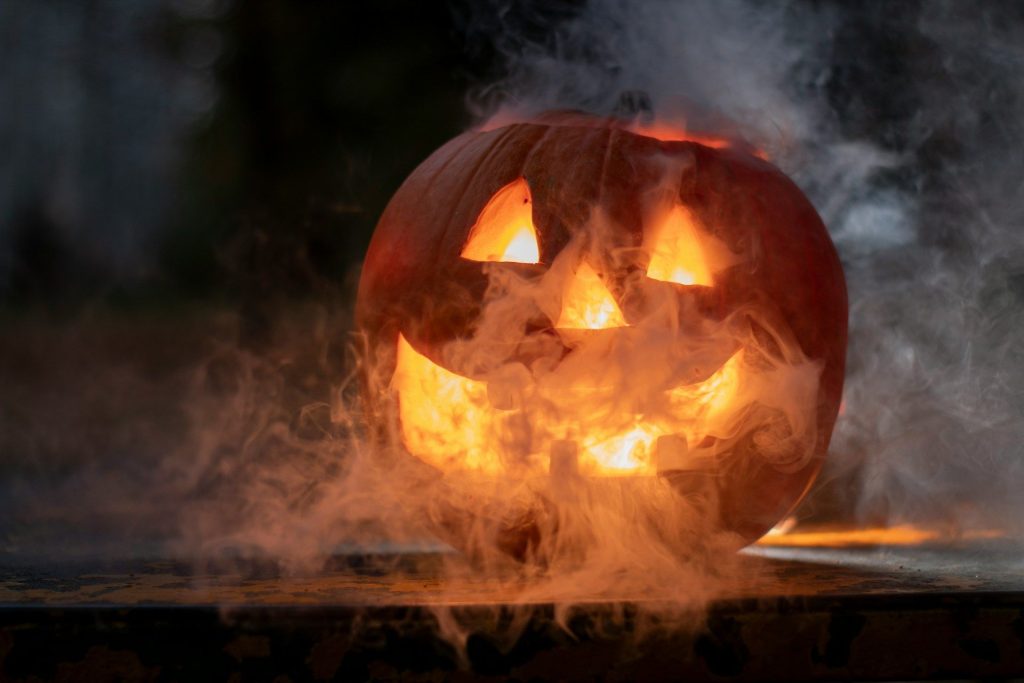
Halloween, with its glowing jack-o’-lanterns, mischievous costumes, and sugar-fuelled excitement, has become one of the most widely celebrated secular holidays in the world. From the cobbled streets of Edinburgh to the bustling suburbs of Tokyo, Halloween continues to captivate people of all ages. Yet behind the modern revelry lies a rich tapestry of historical, cultural, and psychological threads that explain both the enduring appeal and global spread of this fascinating holiday.
Here we explore the growth of Halloween celebrations and see that although its ancient roots are shared by Britain and Ireland, its modern popularity in the UK is a relatively recent development. Understanding this helps illuminate why Halloween resonates so strongly today, not only as a moment of festivity but also as a cultural mirror for our fears, fantasies, and collective imagination.
Origins in Ancient Rituals
The roots of Halloween trace back over two thousand years to the ancient Celtic festival of Samhain (pronounced “sow-in”), celebrated on the night of 31st October. For the Celts, whose territory spanned modern-day Ireland, the United Kingdom, and parts of northern France, Samhain marked the end of the harvest season and the beginning of winter—a liminal period when the boundary between the living and the dead was believed to blur.
During Samhain, it was thought that spirits of the deceased could return to the earthly realm. To ward off malevolent entities and honour benign ones, people lit bonfires and donned costumes, often made of animal skins. Offerings of food and drink were left out for wandering souls, and divination rituals sought to gain insight into the future during this potent time of transition.
Christian Influence and Transformation
With the spread of Christianity across Europe in the early medieval period, pagan festivals were often reinterpreted or replaced by Christian observances. In the 8th century, Pope Gregory III moved the feast of All Saints’ Day to November 1st, likely to supplant Samhain. The evening before became known as All Hallows’ Eve, eventually shortened to “Halloween”.
Though Christian authorities sought to reshape the holiday’s spiritual associations, the folkloric customs of Samhain endured. By the late Middle Ages, Halloween had become a blend of Christian and pagan practices. People lit candles in memory of the dead, went door to door performing “souling” in exchange for food, and carved turnips into lanterns to scare away evil spirits—early precursors of trick-or-treating and jack-o’-lanterns.
The American Reinvention
Halloween, as it is widely recognised today, underwent a dramatic transformation in the United States. Irish and Scottish immigrants in the 19th century brought with them their Halloween customs, which began to take root in American soil. These traditions were gradually adapted and secularised within a burgeoning consumer culture.
By the early 20th century, Halloween had become a community-centred holiday in the U.S., marked by parties, games, and festive gatherings. The practice of trick-or-treating, which evolved from earlier European customs, became widespread during the 1930s and 1940s. In post-World War II America, as suburban neighbourhoods grew, Halloween flourished as a child-friendly, neighbourhood-wide event.
Through television, film, advertising, and pop culture, Halloween’s iconography—from witches and skeletons to haunted houses and pumpkins—became standardised and widely exported. This Americanised version of Halloween would, by the end of the 20th century, become a global cultural phenomenon.
Halloween in the UK: A Resurgence of Interest
Although Halloween has deep roots in Celtic Britain and Ireland, its modern celebration in the UK is surprisingly recent. For much of the 20th century, Halloween was a quieter affair in Britain, often eclipsed by Bonfire Night on 5th November, which had greater national significance. Traditional customs such as apple bobbing, ghost stories, and turnip carving existed, particularly in Scotland and Northern Ireland, but lacked the commercial energy or widespread popularity seen in the United States.
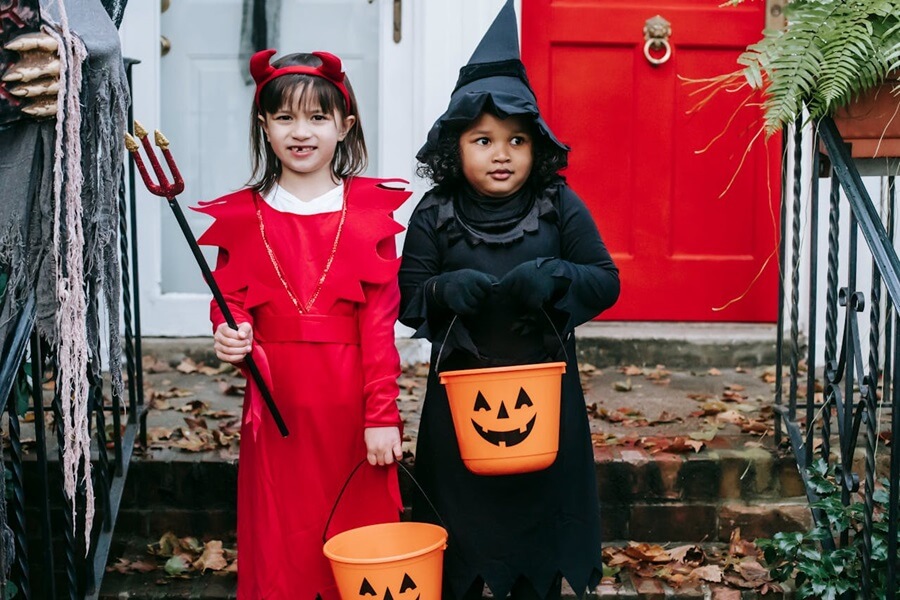
It wasn’t until the 1980s and 1990s that Halloween truly began to flourish again in the UK. American television shows, horror films, and the broader influence of pop culture introduced British audiences to pumpkins, trick-or-treating, and elaborate costumes. As high street retailers recognised the commercial potential, Halloween-themed merchandise became increasingly visible in supermarkets, schools, and advertising campaigns.
By the early 2000s, Halloween had become a key fixture in the UK’s cultural calendar. Trick-or-treating, once seen by some as an unwelcome “Americanism”, became more accepted, particularly in suburban and urban neighbourhoods. Costume shops flourished, and themed events at pubs, schools, and historic sites helped embed Halloween more firmly into British society.
The resurgence also owes something to the UK’s own Celtic heritage, which makes Samhain and Halloween not imports but revivals of long-dormant traditions. Halloween’s appeal is further strengthened by the desire for a secular autumn celebration—one that offers community spirit, creativity, and playfulness, especially as the nights grow darker and colder.
Halloween’s Global Expansion
Beyond Britain and the United States, Halloween has taken hold in countries as diverse as Japan, Mexico, Brazil, and South Korea. In Japan, Halloween has become a fashionable and urban spectacle, marked by elaborate costumes and parades, particularly in cities like Tokyo. Rather than trick-or-treating, it centres around group celebrations and cosplay culture.
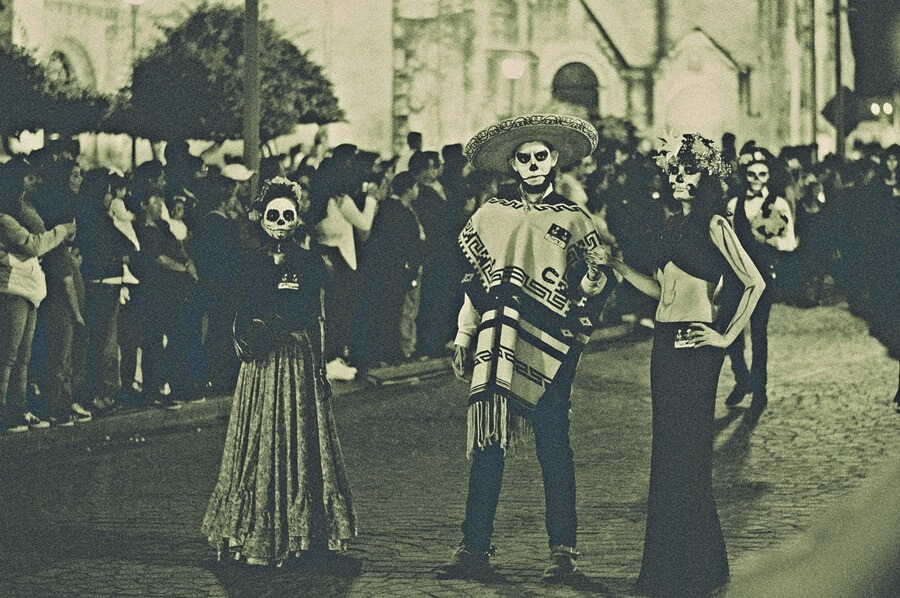
In Mexico, Halloween exists alongside the indigenous Día de los Muertos (Day of the Dead), with the two festivals sharing common visual motifs—skeletons, candles, altars—but different cultural meanings. Globalisation, social media, and film have helped Halloween take root in unexpected places, often adapting to local customs and aesthetics.
The Psychology of Fear and Play
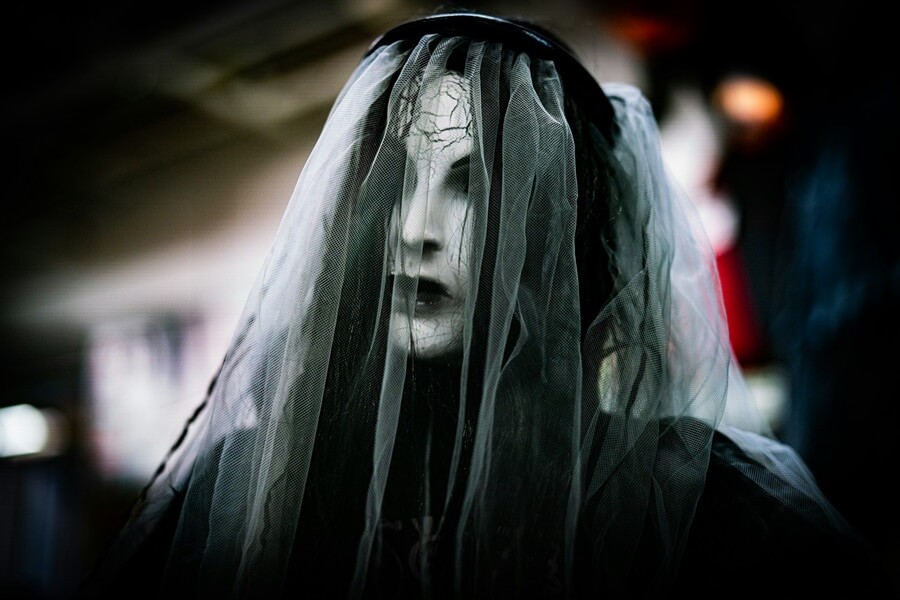
So, why does Halloween, a holiday centred around fear, death, and the supernatural, captivate us so universally? One reason lies in its ability to make fear both playful and manageable.
Humans are naturally drawn to the mysterious and macabre. Psychologists suggest that controlled exposure to fear—through horror films, haunted houses, or eerie stories—can offer both excitement and relief. Halloween gives us a safe space to explore darker emotions, wrapped in humour, creativity, and social bonding.
Dressing up in costume also taps into the human desire for play, transformation, and escape. Whether as a monster, a movie character, or a historical figure, we get to adopt a new identity and suspend the ordinary rules of appearance and behaviour. This sense of freedom appeals to all ages and helps explain why Halloween is often just as popular with adults as it is with children.
Cultural Reflection and Reinvention
Halloween also functions as a cultural mirror, evolving with each generation. Recent years have seen growing awareness around issues of consent, cultural appropriation, and inclusion in costume choices and party behaviour. At the same time, there’s been a revival of interest in Halloween’s spiritual and folkloric roots. Neo-pagan communities continue to celebrate Samhain as a sacred observance, honouring ancestors and the cyclical nature of life and death.
The growth of horror media, from gothic novels to streaming series, has deepened Halloween’s cultural resonance. As societies face anxieties—from climate change to social unrest—Halloween allows us to express our fears, often through symbolism and satire. It remains a powerful and flexible holiday that can be both deeply personal and wildly theatrical.
In Summary: The Universal Language of Halloween
Though Halloween’s global spread owes much to American pop culture, its roots are undeniably Celtic—and deeply embedded in British and Irish history. In the UK, its recent revival reflects both a reclaiming of cultural heritage and a response to the timeless human need for community, imagination, and ritual.
Whether it’s marked by pumpkin carving in Cornwall, ghost tours in York, or costume parties in central London, Halloween today offers a rich blend of play, fear, memory, and celebration. It connects us with the past while giving us permission to revel in the strange and the shadowy—a night where the veil is thin, and anything seems possible.