
- Get directions
- Call now
- Bookmark
- Share
- Website
- Send an email
- prev
- next
In brief
A fascinating reminder of Leeds’ thriving commercial past and the gruelling daily toil of those once employed there. Do the mill walls remain soaked with the sweat, tears, and toil of exploited labourers whose ghostly forms still roam the now eerily silent workrooms?
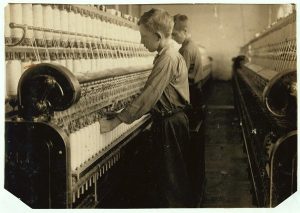
Perhaps the unearthly cries, apparitions of children, and a sobbing woman remain as a timeless and shameful reminder of the human cost of the cruel practices that once lay behind industrial progress.
Category
About
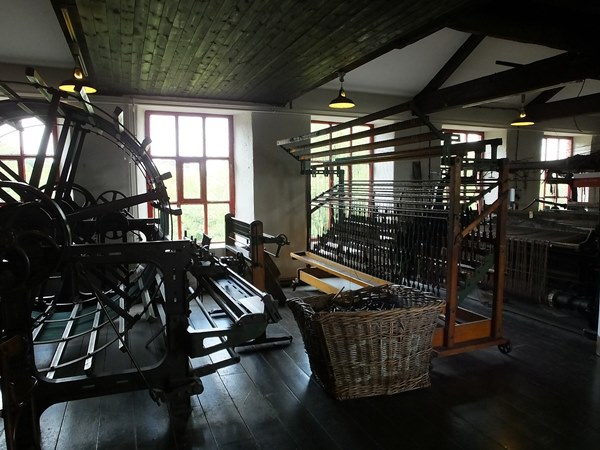
Situated just two miles from the centre of Leeds is the Grade II listed Armley Mills, which was once home to the world’s most productive woollen mill.
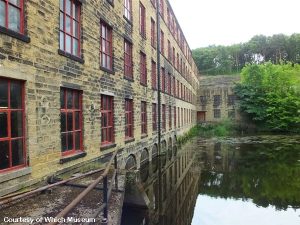
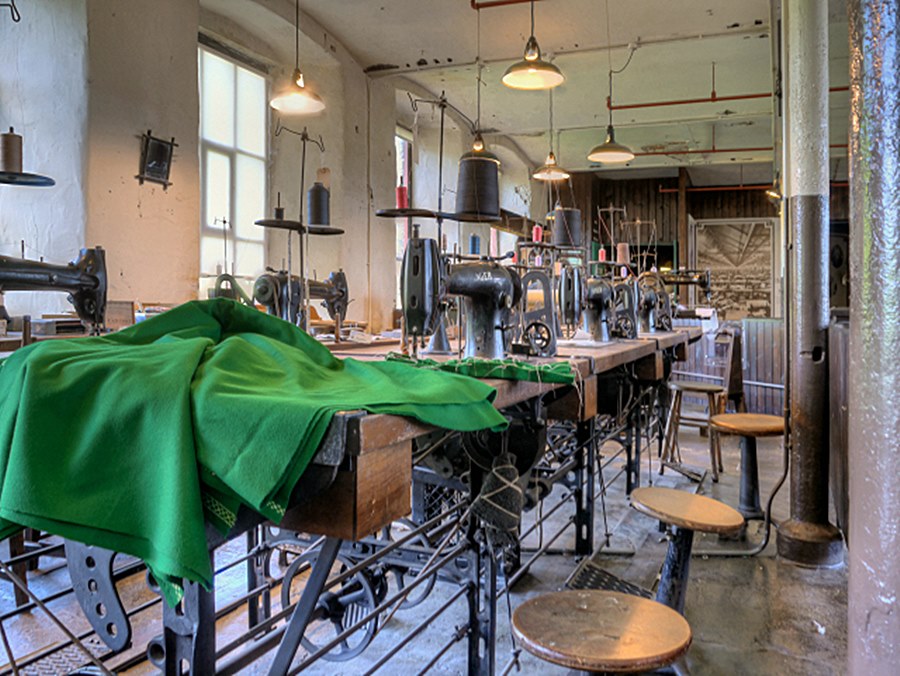
Now a museum, the venue offers visitors the chance to explore the city’s industrial past in a pretty riverside setting. Using an impressive set of artefacts, displays, and working machinery, visitors can discover the historical journey of wool and cloth manufacture in Leeds. The production of film and printing is also covered.
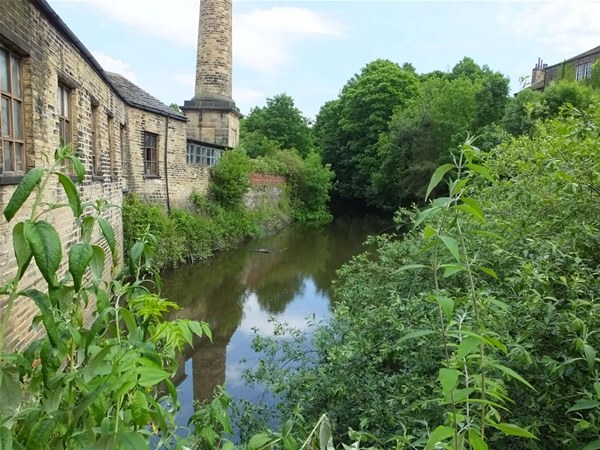
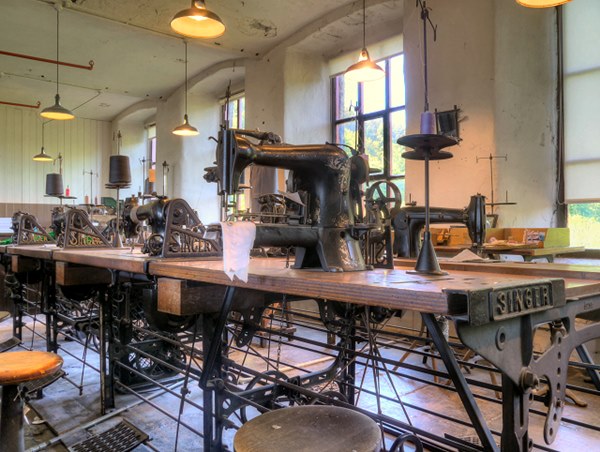
History
The historically valuable building now housing the Leeds Industrial Museum is recorded as being the site of a working mill as far back as the mid-1500’s.
The current building is the renovated structure from 1805, when successful local mill owner Benjamin Gott bought and completely restored the premises after a fire had pretty much turned it to ruins. Employing over 1,000 workers in what was the biggest woollen mill in the world, Mr. Gott’s services were in great demand, with a sudden pressing need for uniforms and blankets due to the onset of war with France.
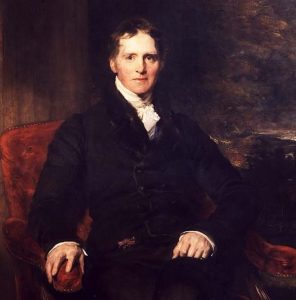
As wool production became more machine-driven and Mr. Gott began to invest in more mechanised systems for manufacture, he decided to cut costs by replacing his more highly skilled and trained male workers with cheap labour provided by women and children.
The conditions were grim and unhealthy, with long hours spent in hot, noisy, and dusty workrooms for hardly any pay. The work was also highly dangerous, with no health and safety provision, meaning that disease and serious or fatal accidents were commonplace.
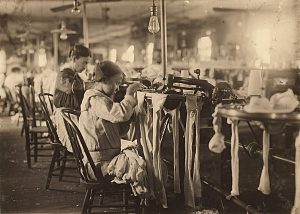
Due to their small size, children were forced to clean working machinery using small brushes or climb underneath them to retrieve fallen cloth. Children were often killed or seriously injured after their hair and limbs became lethally trapped or they were crushed after being caught in the heavy machinery.
A former child mill worker interviewed for the Sadler Report of 1832 (see full citation in References), who worked from 6am-8pm from the age of eight, said that children were regularly beaten by their supervisors, who used sticks and straps and often knocked them to the ground by forceful blows. This could be for such reasons as being late, talking to other children, or losing concentration at the end of the day when fatigue was setting in.
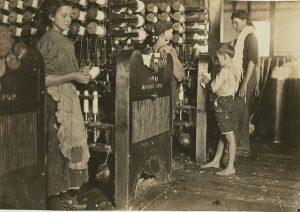
In answer to the question, “So, you can hardly be in a mill without hearing constant crying?” The heartbreaking reply was, “Never an hour, I believe.” (Sadler (1832) p.45-46)
After the death of Benjamin Gott in 1840, Armley Mills was inherited by his two sons and eventually let out to various tenants and merchants. Over the years, after suffering a dying export trade and the rise in popularity of man-made fibres, the mill ceased trading and closed its doors in 1969.
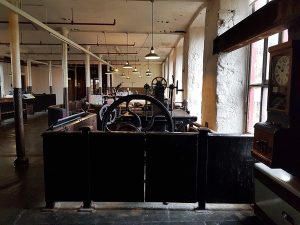
Following closure, Leeds City Council purchased the building to preserve its industrial heritage, and it was opened as a museum in 1982.
Ghostly activity
- The ghostly figure of a tall man wearing a Victorian-style top hat and black cape and walking with a cane is perhaps the most commonly sighted apparition. Is this the spirit of the former owner, Benjamin Gott, still keeping an eye on the place?
- After first denying any paranormal experiences, (something we often encounter) a member of the museum staff admitted to us that on one occasion, when he was closing the museum and he thought everyone had left, he saw a tall man in a long black coat walking with a much smaller woman, who was wearing a long black skirt and black shawl. As they walked across the main hall, he politely called out to the couple that the museum was about to close. To his astonishment, they completely ignored him as though they had not seen him. As he watched them, he was shocked to see them just gradually fade away until they had completely disappeared. Despite the haunted reputation of the museum and knowing that other staff and visitors had seen things they could not explain, the gentleman said that he had kept the experience to himself for fear of ridicule.
- Visitors and staff claim that items are thrown, and their clothes are tugged as though by small children mischievously trying to get attention.
- The sounds of laughter and crying and children’s high voices are regularly heard throughout the museum when it's closed to the public.
- Staff report seeing the figure of a man seated in the film room and have also witnessed the spring-style seat in a down position and springing up on its own.
- Purposeful and hurried footsteps are known to echo through the main hall.
- Many witnesses have seen the figure of a sobbing woman in an old-fashioned, long, dark dress. Some believe that she is the mother of one of the children who was accidentally killed whilst working at the mill.
- Doors open and slam shut by unseen hands.
- The ghost of a scruffily dressed little boy has also been seen throughout the building. Was he one of the many poor children who tragically perished due to accidents with the machinery?
- Both visitors and staff claim to have been forcefully pushed with no rational explanation.
Video
Location
-
Canal Road, Armley, Leeds, UK
Access
Please note that the majority of Leeds Industrial Museum is accessible to visitors using wheelchairs or experiencing difficulties with mobility. Please contact the museum on 0113-3783173 for further information or to discuss specific requirements.


.jpg)


Add a review