
- Get directions
- Call now
- Bookmark
- Share
- Website
- Send an email
- prev
- next
In brief
A stunning country house hotel run by a dedicated and welcoming family team, where the ghosts of dancing children, a man in a tweed suit, and a woman in a faded wedding gown are just some of the guests who refuse to check out.
*Please note that Beamish Hall welcomes non-residents to the hotel's Stables Bar and Restaurant.
Category
About
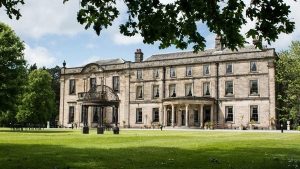
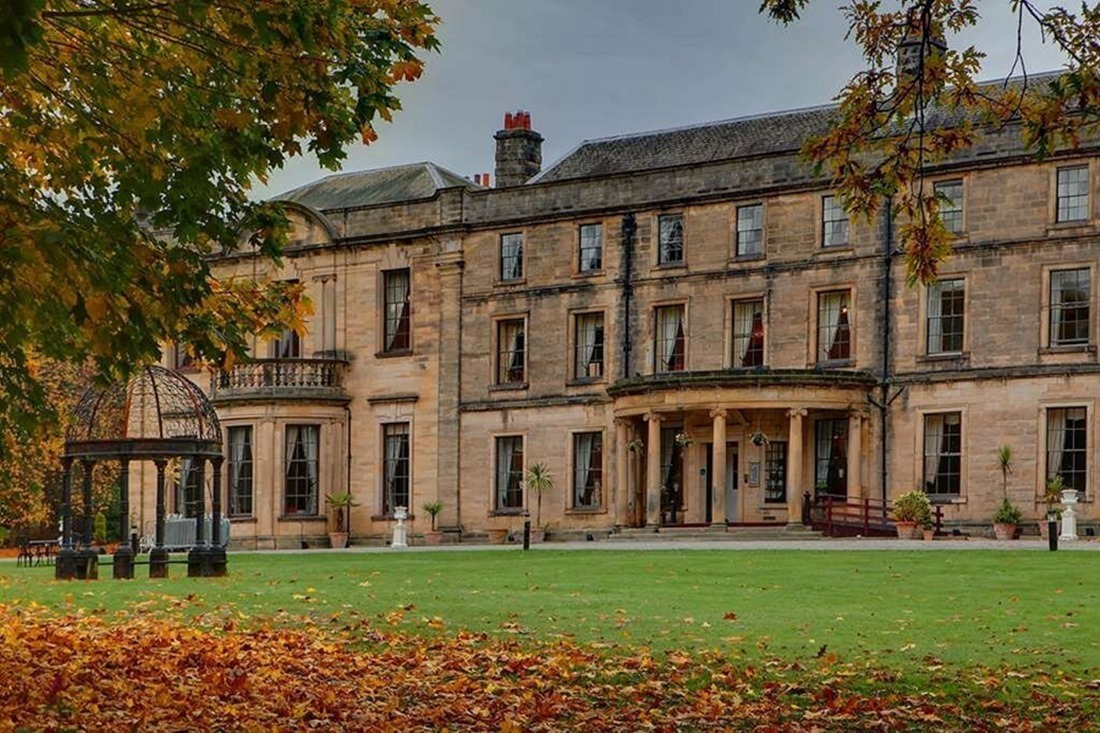
Set in 24 beautiful acres of gorgeous rolling countryside, the exquisite Beamish Hall Hotel sits elegantly on the borders of County Durham and Tyne and Wear. This former aristocratic, private residence provides luxuriant and individually designed rooms that perfectly combine a refined and traditional elegance with a wealth of up-to-date comforts to ensure guests a tranquil, secluded, and restful stay.
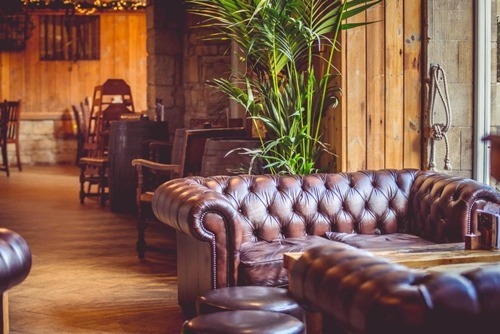
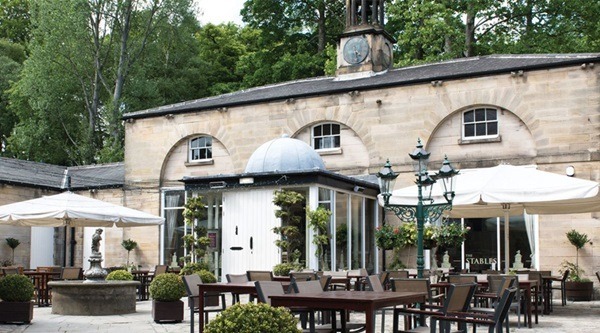
Housed in a converted 18th-century stable block, the Stables Restaurant and Bar retains lovely wooden beams and an exposed stone floor. Serving a range of first-class, nutritious dishes that are freshly prepared using local produce, guests can expect a quality dining experience in a beautiful and welcoming setting.
With an unrivalled haunted pedigree and a whole range of ghostly guests, the Beamish Hall Hotel makes for the perfect stay or visit for all intrepid paranormal voyagers.
History
The present building stands in an idyllic setting where the medieval Beamish Manor once stood. Built in 1268, the house was a wedding gift to celebrate the union of two prominent Norman families when Isabella de la Leigh married Guiscard de Charron, the Sheriff of Northumberland. Isabella was the widowed daughter of knight, Sir Walran de Horton. The families are said to have been instrumental in King William I’s success in the Norman Conquest of 1066.
The manor, which operated as the epicentre of English rural life in village communities, handled all local administrative and legal issues during a time when land ownership alone was the justification for power and control.
Ownership of Beamish Manor remained with the Charron family, passing to the Monbouchers by marriage, until 1400, when the line died out. The manor was then occupied by a succession of local noble families.
In the mid-1500's, Thomas Percy, the 7th Earl of Northumberland, purchased the Beamish estate. It was, however, later seized by the Crown for the Earl’s role in the 1569 rebellion known as the Rising of the North, an unsuccessful attempt at deposing Queen Elizabeth I and replacing her with Mary, Queen of Scots. After fleeing to Scotland, the Earl was eventually captured, returned to England, and publicly executed in 1572.
In the mid-18th century, Beamish Hall was built to replace the original manor house. With various additions and modifications applying the respective Georgian and Victorian architectural styles that followed, the property evolved into the resplendent country house that we see today.
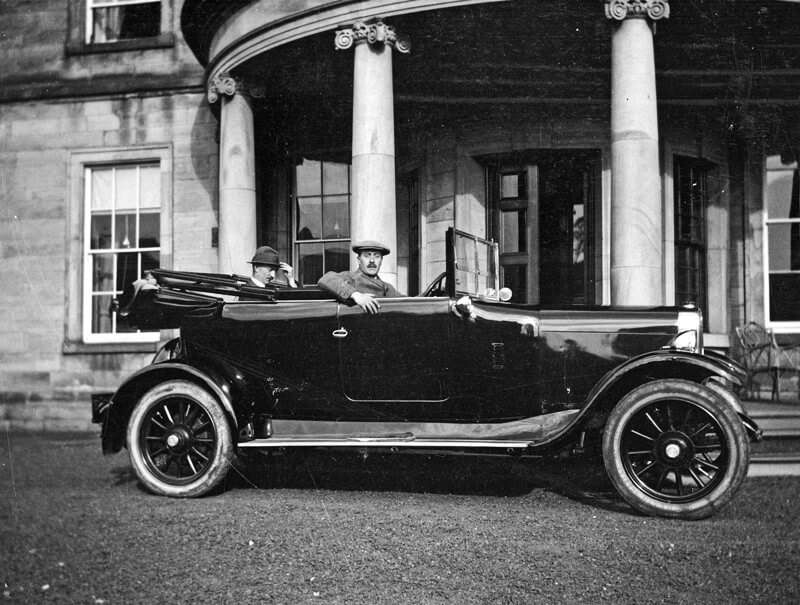
During the hall’s transformation, it remained a private residence with the prominent Eden family until it passed to the Shafto family by the marriage of Robert Duncombe Shafto and Catherine Eden in 1803. The British Prime Minister, Sir Anthony Eden, spent part of his childhood at Beamish Hall, where the house operated in the “upstairs, downstairs, Downton Abbey” style, typical of country houses owned by the English aristocracy at that time.
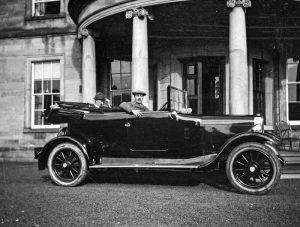
The estate remained with the Shafto family until 1949, when it was sold to the National Coal Board. It remained with the NCB until it was acquired by the local authority in 1969 and used as a residential school for the next 25 years.
After standing empty for five years, the house was bought by the Craggs family in 2000 and lovingly restored into the beautiful country house hotel that we see today.
Ghostly activity
- Ghost of a woman in a grey dress who is seen picking flowers in the garden.
- The sounds of dogs barking and someone running through the corridors.
- Ghost of woman dressed in Edwardian clothes wearing a pink hat.
- Figures of children playing have been spotted in the attic area. Ghostly children have also been witnessed in various rooms where they are described as dancing.
- Reports of dark, flitting shadows are spotted all over the building.
- The sounds of movement and doors opening and shutting in unoccupied rooms.
- Figure of a man wearing a tweed suit.
- The ghost of a woman in a faded wedding dress restlessly wanders around the hall. She is said to have fled to Beamish Hall from nearby Porlock Manor to avoid marrying a man she did not love. Legend claims that the woman hid in a chest to avoid her father, who had arranged the marriage, but tragically she became trapped and was not found until it was too late to save her.
- The apparition of a young woman has been frequently seen in the reception area and has been named Charlotte by staff.
Location
-
Beamish, Stanley, County Durham DH9 0YB, UK
Access
Please note that most of the public areas, including the reception and Stables Bar and Restaurant, have full wheelchair access. For those requiring accommodation, the Beamish Hall Hotel has fully accessible rooms on the grounds floor.
Guests are welcome to make complimentary use of the hotel's own wheelchair.
Please contact the hotel staff on 01207-233733 to discuss any requirements or for further information.
Add a review