
Phantom Phone Calls from the Grave
- Creepy world
-
Aug 13
- Share post
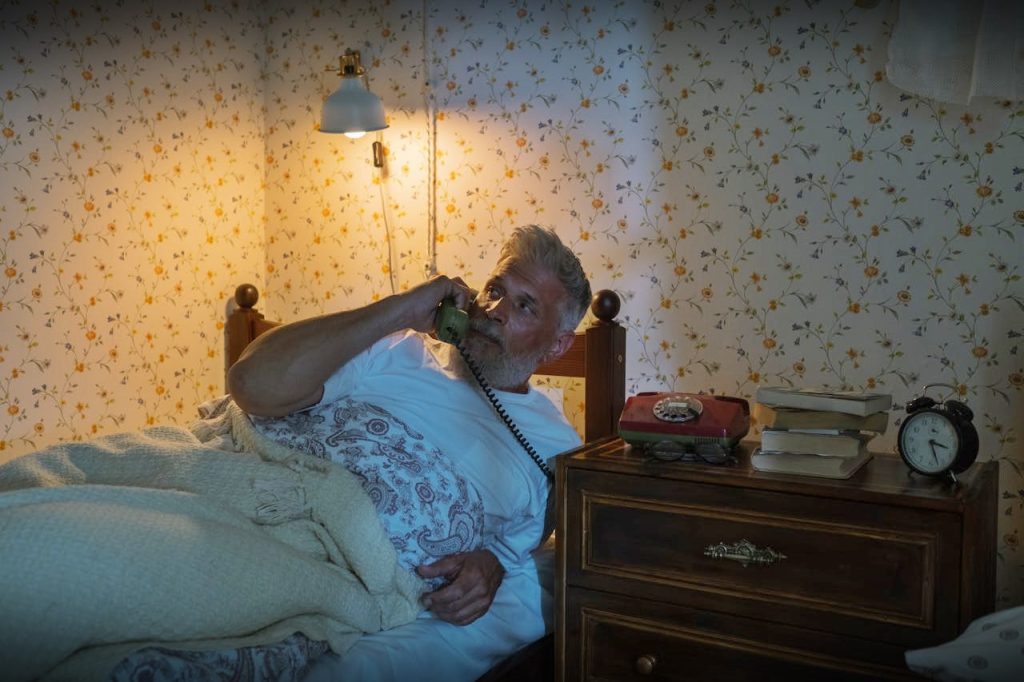
Have you ever imagined that distance and silence might be bridged by something as ordinary—and in everyday use—as your phone? Across decades, people have claimed to receive phone calls or messages from deceased loved ones—brief, eerie connections that linger in memory far longer than the call lasts. In the compelling Phone Calls from the Dead (1979), parapsychologists D. Scott Rogo and Raymond Bayless collected numerous such anecdotes, exploring unbidden, unexpected—almost uncanny—moments when the dead seemingly reached out by telephone.
Here we explore the incredible accounts from this and other sources, examine their patterns and implications, and consider what they might mean for those of us left behind.
Phantom Calls to the Living
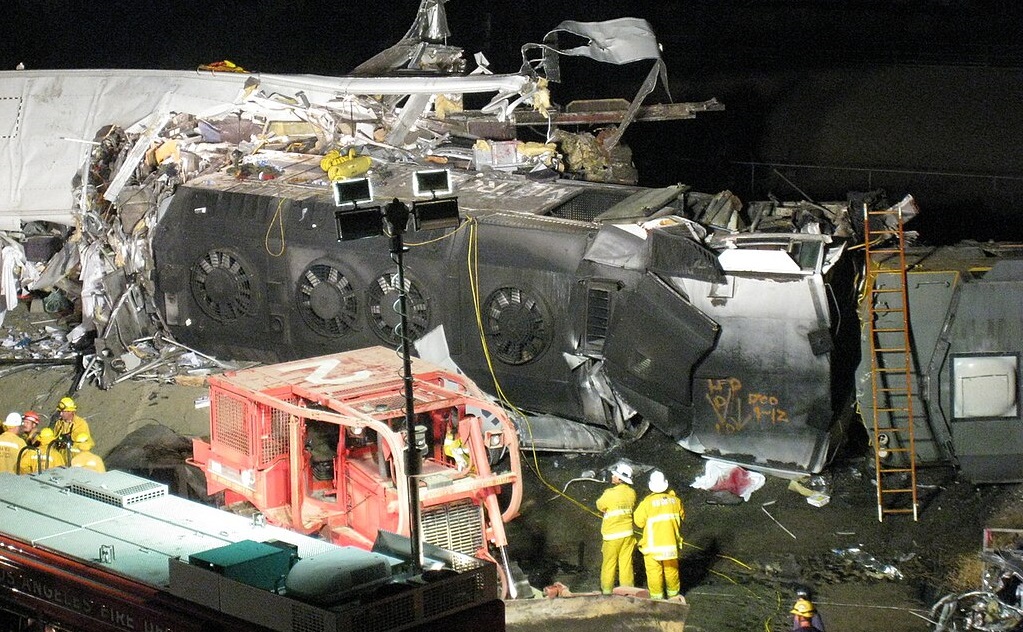
One of the most chilling and well-documented accounts followed from the devastating Metrolink train crash in Los Angeles, which occurred on the 12th September 2008. Passenger Charles E. Peck tragically died instantly upon impact, yet in the hours that followed, four of his relatives—his fiancée, son, sister, and stepmother—all received calls from his mobile phone. When they answered, they heard only static. Attempts to return the calls went straight to voicemail, as though the phone was switched off or out of range. Intriguingly, Mr Peck’s phone was not recovered from the wreckage until hours after the calls had stopped. Was this a haunting example of someone reaching out one final time, trying to offer reassurance or presence? Or could there be a more earthly explanation—perhaps accidental dialling triggered by shifting debris in the wreckage?
A Ghostly Warning Call
Dean Koontz has long believed that a mysterious phone call he received to his unlisted number in 1988 was more than mere coincidence. At first he heard only static, but then a woman’s voice—gentle yet urgent—spoke three times, saying only, “Please, be careful.” The voice resembled that of his deceased mother, who had passed away two years earlier.
Dean Koontz had endured a difficult relationship with his father, Ray, who was a violent alcoholic who had abused his mother. Two days after the chilling warning, he was contacted by the staff at his father’s nursing home. Ray Koontz had a history of mental health and behavioural issues whilst at the facility and had become increasingly agitated and physically violent towards his carers. When Dean visited the home, his father unexpectedly pulled a knife from a drawer and tried to attack him. A struggle ensued, and Koontz was able to wrestle the knife away. The police were called, and Ray Koontz was transferred to a psychiatric hospital, where he could receive the appropriate care. In hindsight, Dean was convinced that the ghostly call had not just been a premonition but a warning. One that came from his loving mother desperately trying to protect her son from beyond the veil.
Some personal examples
An examination of online communities show that forums such as Reddit and Ranker are filled with personal accounts and shared stories that seem to echo the themes Rogo and Bayless first documented. Such as
“My father recently passed away… Today, my phone rang, and his caller ID appeared on my phone: ‘Dad’. I answered… All I could hear is some scratching or shuffling…” Reddit
“There was a lot of static… then, amazingly, I heard my mother’s voice! She… kept saying she ‘Had to find June’… I was frantically trying to get her to say where she was.” Reddit
“I received a voicemail… a woman’s voice say, ‘I love you,’… we all recognized the voice as belonging to my great‑grandmother.” Ranker
While these heartfelt personal recollections may not be scientific proof and can’t be verified, they clearly have a profound emotional impact on the people who have experienced them.
In another case in 2011, referred to in Stranger Dimensions (see below), a user is said to have uploaded a voicemail to YouTube in 2011 which was recorded months after her grandfather’s death. All that played on the line was static—before a faint whisper could be heard saying, “Grandpa.”
Classifying the different types of calls
Rogo and Bayless, in Phone Calls from the Dead, classify these unusual events into three main categories:
(i) Apparent phone calls from a deceased person where the recipient receives a brief, odd or unusual call from someone only later confirmed to be deceased. So, in such cases the recipient doesn’t yet know the person has died when the call is received.
(ii) Intention cases – here, a living person thinks about calling another but doesn’t; yet the recipient receives a call from them anyway. centerpri.org.
(iii) Answer cases – the caller dials a number and speaks to the recipient, only to later discover the intended recipient was dead or couldn’t possibly have received the call. centerpri.org
Later researchers, including parapsychologist Dr Callum E. Cooper, of the University of Northampton, reanalysed and further refined the phenomena into more nuanced categories: simple, prolonged, answer, mixed, and intention cases—reflecting the types of perceived contact and the different durations, whether brief utterances or longer conversations.spr.ac.uk

What is happening?
What might explain such fascinating phenomena? The various theories offered by researchers fall along a broad spectrum—ranging from the paranormal to the psychological.
(i) Could these be genuine communications from the other side—where somehow, spirits are able to manipulate electromagnetic means such as phone lines or digital signals to make contact from beyond the veil?
(ii) Alternatively, are they psychokinetic expressions by the bereaved where intense emotion or psychic stress is so strong that it can influence the operation of phones or maybe change perception, causing possible hallucinations or manifestations of wishful thinking which then create the illusion of phone contact? spr.ac.ukOccult World
(iii)There are also alternative interpretations: Electronic Voice Phenomena (EVP) and Instrumental Trans‑Communication (ITC), where voices or signals appear in recordings through chance, suggestion, or audio patterning. Sceptics suggest that apophenia—the mind’s tendency to find meaning in random patterns or the deep human need to maintain a connection and bond with someone they have lost—may provide an explanation Wikipedia .
These theories reflect broader debates within parapsychology and psychology: do such calls reflect external paranormal powers, or internal psychological activity, or perhaps a combination of both? Of course some of these theories fail to explain those cases where contact occurs before the receiver is even aware that the caller has passed away.
This phenomenon’s value may lie less in definitive explanation and more in emotional meaning. A 2024 report from the University of Northampton reveals that after‑death communications (ADCs)—including phantom calls, texts, and voicemails—often deliver reassurance, closure, or comfort to bereaved individuals. Researchers found that 84 % of such experiences had helpful effects on grief, and that only 12 % were considered frightening. These spontaneous interactions were deeply meaningful and sometimes life‑affirming.
Phone‑based experiences can fall into the category of “crisis apparition type cases”—where there is unexpected contact before or after death. As mentioned above, these are considered especially hard to explain away psychologically because the experiencer didn’t know of the death at the time the contact occurred.
Closing Thoughts
Phantom phone calls from the deceased span decades of personal experiences and technological shifts. From rigorous documentation by Rogo and Bayless to heartfelt accounts shared online, such stories connect modern communication with timeless longing and unexplained happenings. These calls and voicemails—whether brief, cryptic, comforting, or uncanny—invite us to reflect on the mysteries of grief, connection, and life after death.
While parapsychological inquiry continues, and sceptical explanations persist, perhaps the most vital insight is the impact these moments have on us, the living. The calls may remain unexplained, but they offer solace, presence, and affirmation in moments when connection feels fragile and loss indescribably painful. Whether echoes of the beyond or deep whispers of the heart, they deserve thoughtful regard in both the paranormal and the human understanding. Whatever their true source as echoes from another world or the psyche’s own poetic attempts to heal and soothe, these moments continue to stir the imagination and ask the ever-posed question – do we survive death?
