
- Get directions
- Call now
- Bookmark
- Share
- Website
- Send an email
- prev
- next
In brief
While skillfully preserving the journey of valiant service ministering to the emergency needs of a bustling community, it seems this impressive museum shares its space with several spectral entities keen to tell their own stories of a bygone era.
Category
About
Originally known as Sheffield Fire and Police Museum, the characterful Victorian building now known as the National Emergency Services Museum opened to the public in 1984. Once the home of the city’s combined emergency services provision, the venue now serves its community by offering a great day out for the whole family.
Run entirely by volunteers, the museum houses a fine collection of vehicles, memorabilia, and impressive artefacts covering the history of the building and the emergency services, law and order, and social history.
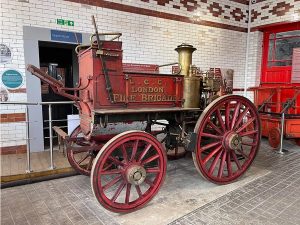
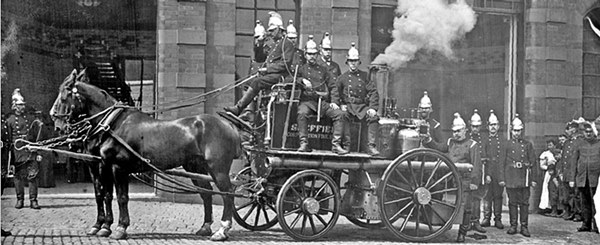
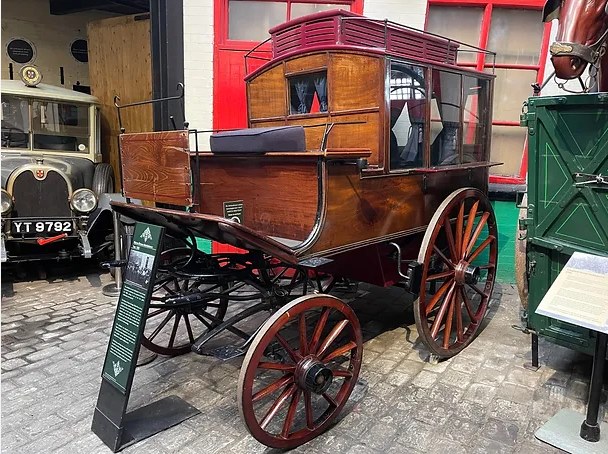
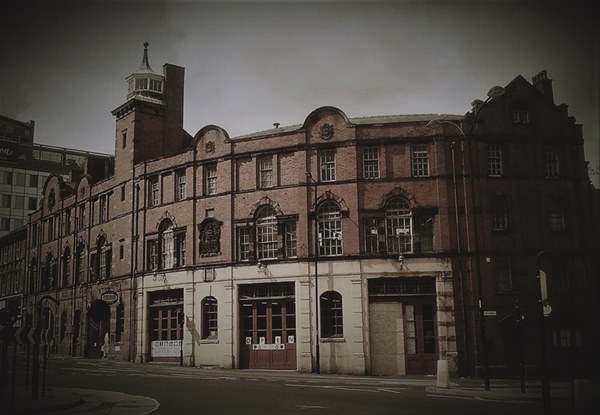
History
Situated in the West Bar area of Sheffield and close by Workhouse Lane, the museum is built on the site of Sheffield's first workhouse. Opened in 1632, its aims were to help care for the city’s poor and vulnerable.
The building was progressively extended, and various parts were also rented out to private individuals. Records show that in 1722 a new block of charity accommodation was built in West Bar, although it is unclear whether this replaced or further expanded the earlier premises.
Despite what at first glance appears to be a benevolent mission, workhouses were dismal places full of despair and misery. Conditions were deliberately harsh and cruel and designed to deter dependence and supposed idleness.
This is evidenced in a 1789 pamphlet, which noted:
“… it is the unhappy lot of those unfortunate Females whose indiscretions, often occasioned by treachery and falsehood, have compelled to seek a miserable refuge in the Sheffield Workhouse.” (Sources for the Study of the Poor Law in Sheffield (2013) p.15)
“There are at present in the House about 50 Children, who may well be termed The Children of the Public – for, in general, they have not one friend in the world in the smallest degree interested in their preservation and welfare.” (ibid)
The West Bar workhouse continued to operate until 1829, when it was transferred to a former cotton mill on nearby Kelham Street.
In 1898 a new building was developed on the site, and just two years later the combined West Bar Police, Fire, and Ambulance Station was opened, housing all three services and staff living quarters.
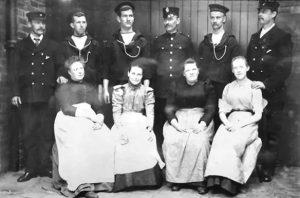
Serving all the city’s emergency needs, the unified station included police cells, offices, interview rooms, stables, and a cobble-floored engine house for both the fire engines and ambulances. The building was also fitted with an observation tower and an American-inspired fireman’s pole, one of the first in the country.
By 1925, following the phasing out of horse-drawn engines and the development of motorised vehicles, both the fire and ambulance services had relocated to larger premises. The former engine house was converted into police workshops and a garage for police vehicles.
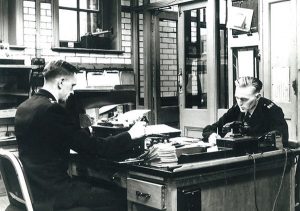
In the 1960's, with the police force swiftly advancing, it was decided that a new building next door would be more suitable. The original West Bar station finally closed its doors as a working police station in 1965, opening as a museum almost two decades later.
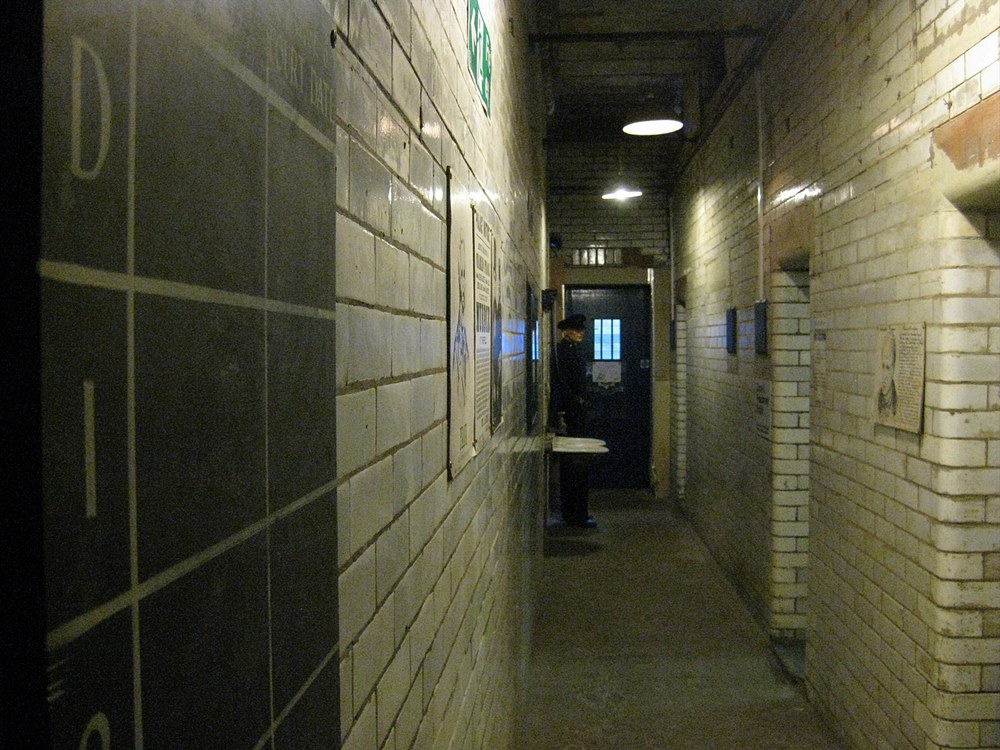
Ghostly activity
- Poltergeist activity occurs on a frequent basis, and staff report that displays are found in disarray. On one occasion a few years ago, a member of staff was shocked to find that a chair had been pushed up against the door of one of the upper-floor rooms, blocking the entrance.
- The figure of a stockily built woman in a dark blue skirt and Victorian-style ankle boots has been seen walking hurriedly along the corridors of the upper floor.
- Footsteps and unexplained bangs and noises occur throughout the building.
- Visitors and staff note sudden temperature drops and see shadowy figures in many parts of the museum.
- Disembodied voices, including loud shouts and the low hum of conversation, are heard when the building is closed to the public.
- People report the sensation of having their pockets tugged as though by a small child.
- It is commonly alleged that the ghost of an angry prisoner named Cain haunts the police cells area, and mediums have claimed that he spent most of his life as a prisoner there. However, there appears no evidence to suggest that the cells were used for anything other than holding cells where suspects would be detained until interview and then charged or released. If charged with an offence, prisoners were transported from police holding cells to a court and/or prison. So, who or what this Cain really may be remains a mystery.
Video
Location
-
West Bar, Sheffield S3 8PT, UK
Access
The majority of the museum is accessible to visitors using a standard wheelchair.
A lift is available to access all floors, and additional ramps and wider doors have been installed to improve accessibility for wheelchair users or those with mobility issues.


Add a review